

teaser img


The Impact of Online Platforms on Digital Society

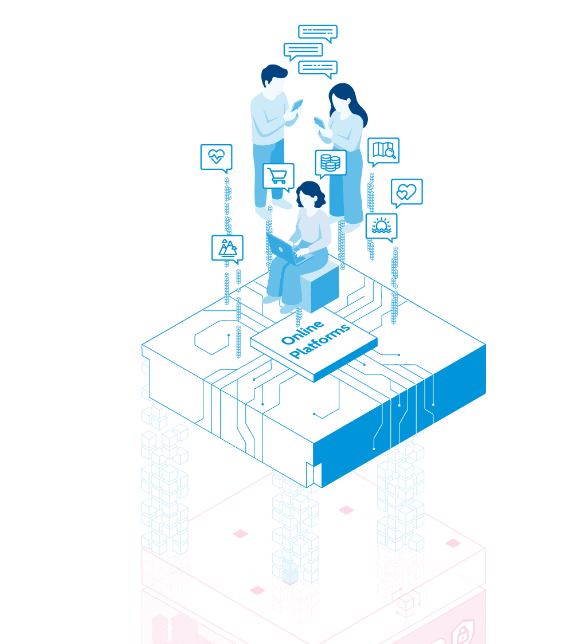
Digitalization has permeated every aspect of life. Online platforms such as social media, search engines, online marketplaces, and AI chatbots influence how billions of people communicate, shop, interact with one another, and stay informed (including politically). As a result, they have become central hubs for social, political, and economic activities.

Nevertheless, we lack the data to understand how this transformation is affecting our societies. RIDLOP lays the groundwork to change this.

teaser img
 

Large Online Platforms

Users leave digital traces on online platforms—from clicks and search queries to content viewed and purchasing decisions. These traces offer researchers opportunities to analyze issues related to democracy and political opinion-forming, social cohesion, health, the economy, consumer behavior, and sustainability. However, access to data from online platforms has so far been unsystematic, dependent on individual platforms, and limited to fragments of actual usage.

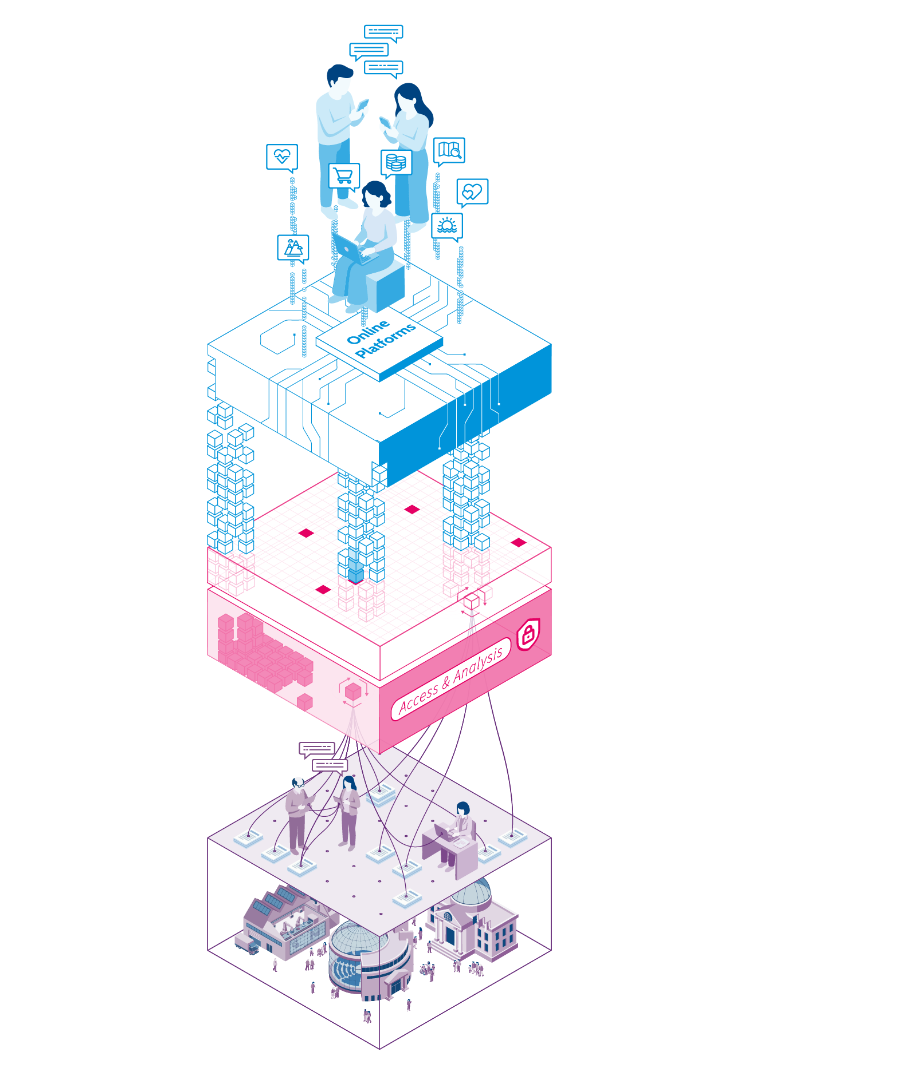
As the first research infrastructure in Germany and Europe, RIDLOP systematically collects data from major online platforms, archives it long-term, and makes it securely available to social science research. In doing so, RIDLOP enables the answering of pressing questions about societies in the digital age.

teaser img


Data Acquisition

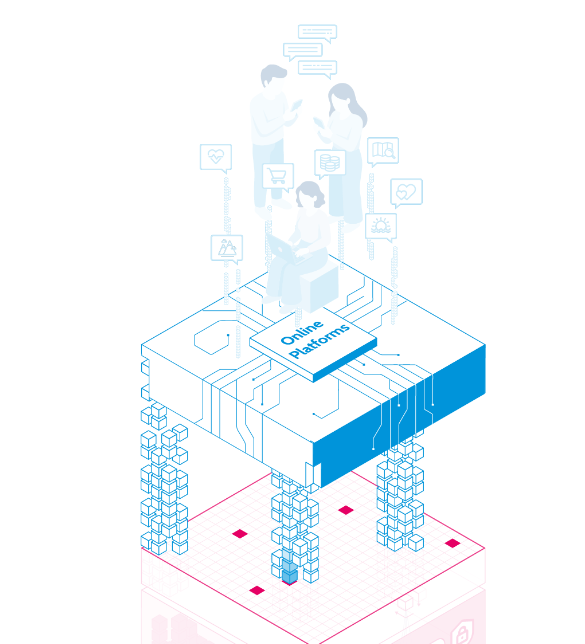
RIDLOP combines platform- and user-oriented data collection methods through three complementary channels. Each channel involves different data types, collection methods, and legal frameworks. Together, they form a comprehensive, quality-assured data portfolio.

Route 1 Researcher data collections

Researchers submit platform data they have collected themselves to RIDLOP for archiving and reuse. This helps avoid redundant data collection, enhances reproducibility, and ensures the long-term preservation of existing datasets.

Route 2: Data donations by platform users

Platform users can download copies of their personal data from platforms and donate them for research purposes. RIDLOP is developing a user-friendly donation infrastructure that is integrated into existing GESIS survey programs.

Route 3: Data access via platform providers

Platforms may provide data in accordance with legal or contractual agreements. RIDLOP negotiates data access agreements with platform providers on behalf of the research community, acting as a trusted intermediary. 

teaser img
 

Data archiving

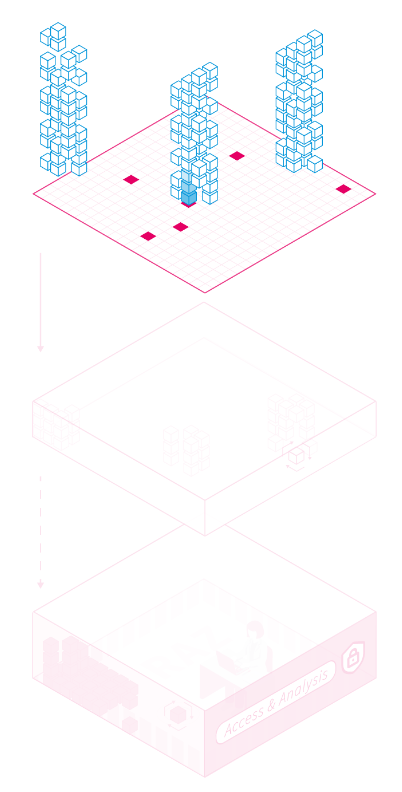
For all three approaches, RIDLOP establishes robust procedures for data ingestion and provides a customized infrastructure for data access. This is necessary because data from online platforms is often sensitive, multimodal, and subject to varying legal classifications. RIDLOP builds on GESIS’ CoreTrustSeal-certified data archive, where sensitive research data has been archived for decades in accordance with internationally recognized quality and security standards. 

teaser img


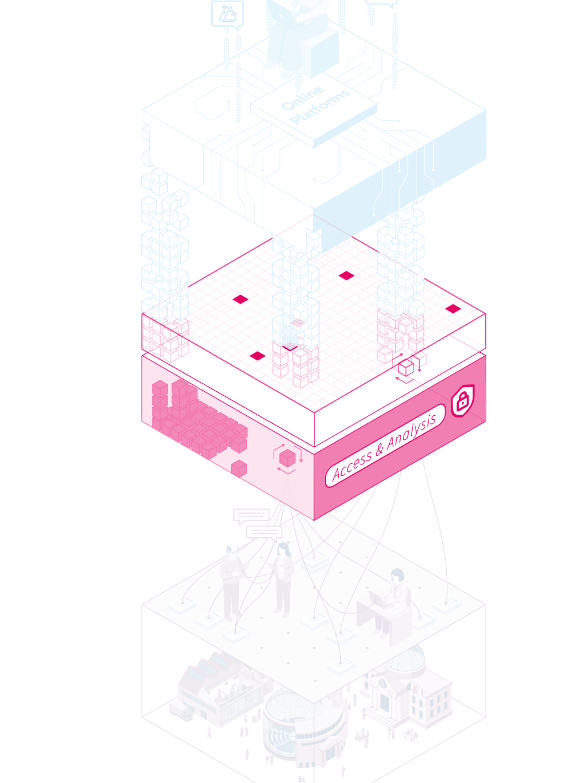
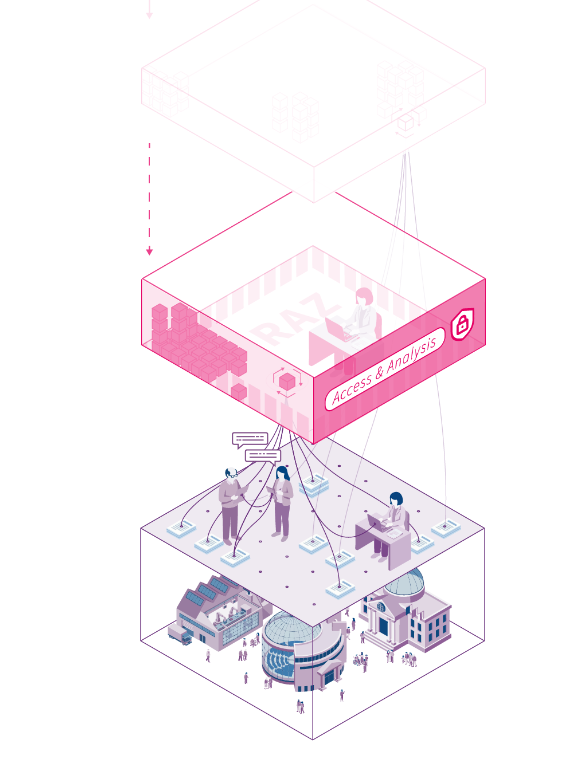
Governance and technology for Data Access

RIDLOP expands upon GESIS’ proven governance structures and technologies for data archiving and access.

A central component of RIDLOP is the Trusted Research Environment (TRE). It implements the internationally established Five Safes Framework (Safe Data, Safe Projects, Safe People, Safe Settings, Safe Outputs) and combines governance with a secure processing environment.

This allows researchers to access the sensitive platform data relevant to their work, assess its quality, and analyze it directly—without the data itself ever leaving the TRE.

teaser img
 

RIDLOP Impact

RIDLOP builds the infrastructure needed to provide reliable answers to key questions regarding society, the economy, and democracy in the digital age. In doing so, RIDLOP not only strengthens research but also enhances the ability of society and the government to understand the impact of online platforms and respond to technological developments in an evidence-based manner.

Contact us!

team member img1

Prof. Dr. Katrin Weller

Director of the department Data Services for the Social Sciences +49 (0221) 47694-472
team member img2

Prof. Dr. Sebastian Stier

Director of the department Computational Social Sciences +49 (0221) 47694-221